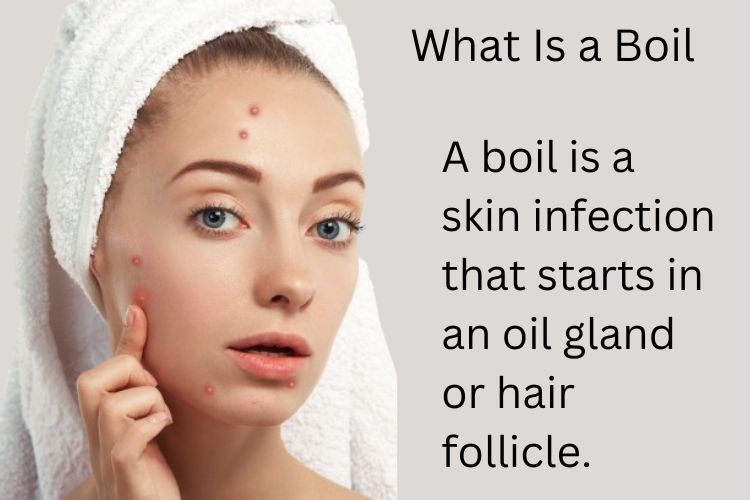
A boil is a skin infection that starts in an oil gland or hair follicle. The skin over the infected area turns red and a tender lump develops. After four to seven days, the lump turns white as pus collects under the skin.
Boil Symptoms
The symptoms of a boil include a painful, red bump that may be filled with pus. The area around the boil may be swollen and red, and you might experience fever or fatigue if the infection is severe.
Where Do Boils Form?
Boils can appear anywhere on the skin but are most common on the face, neck, armpits, shoulders, back, and buttocks.
What Causes Boils?
Boils are usually caused by bacteria, such as Staphylococcus aureus, which enter the body through tiny nicks or cuts in the skin or can travel down the hair to the follicle.
Are Boils Contagious?
Yes, boils themselves are not contagious, but the bacteria that cause boils can be spread to others through skin-to-skin contact or sharing personal items.
Early Warning: Folliculitis
Folliculitis is an inflammation of hair follicles and is considered an early warning sign of boils. It looks like a rash or small red bumps and can turn into a nonhealing boil if not treated properly.
Boil Types
Carbuncle: A carbuncle is a cluster of boils that form a connected area of infection. It is more likely than a single boil to leave a scar.
2. Cystic Acne: Cystic acne is a type of boil that occurs when oil ducts become clogged and infected. It is common during puberty.
3. Armpit: Boils in the armpit are often caused by sweat glands that become infected due to friction or blocked pores.
4. Stye : A stye is a boil that forms on the eyelid due to infected eyelash follicles.
Who Gets Boils?
Anyone can develop a boil, although they are more common in people with weakened immune systems, diabetes, poor nutrition, or poor hygiene.
Boil Treatment
Warm Water Soaks: Soaking the boil in warm water helps reduce pain and draw pus to the surface.
2. Use an Anti-Bacterial Cleanser: Cleaning the area with an antibacterial cleanser helps prevent the spread of infection.
3. Squeeze: Squeezing a boil can push the infection deeper and spread it. It is best to let the boil burst and drain naturally.
4. Hygiene: Maintaining good personal hygiene, such as washing hands regularly and avoiding the sharing of personal items like towels or razors, can prevent the spread of infection.
Home Remedies for Boils
Tea Tree Oil: Tea tree oil has antibacterial and antiseptic properties that can help treat boils.
2. Epsom Salt: Epsom salt baths can help draw out the pus and relieve pain.
3. Castor Oil: Applying castor oil can help reduce inflammation and accelerate healing.
4. Garlic: Garlic is known for its antibacterial properties. Applying garlic juice or a paste made from crushed garlic cloves can help fight the infection at the root of the boil.
5. Neem: Neem has potent antibacterial and antiseptic properties. Applying neem oil or a paste made from crushed neem leaves can help eliminate the bacteria causing the boil.
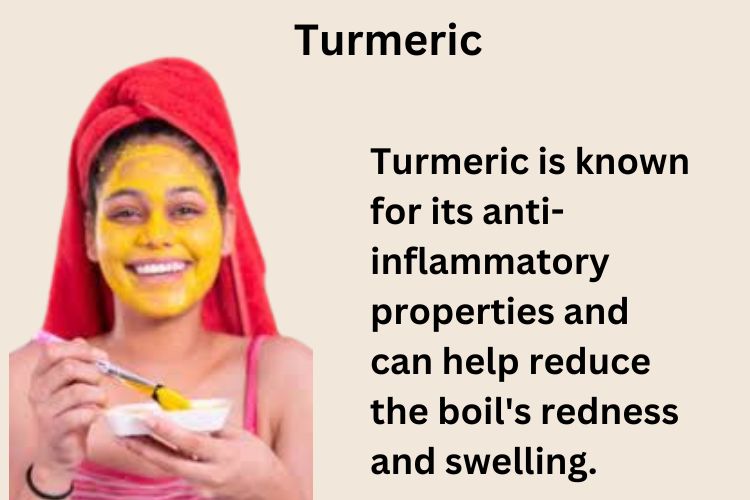
6. Turmeric: Turmeric is known for its anti-inflammatory properties and can help reduce the boil’s redness and swelling.
How to Prevent Boils
Follow good hygiene practices, such as washing your skin regularly and using antibacterial soap.
2. Keep wounds covered to prevent bacteria from entering the skin.
3. Avoid sharing personal items like towels and razors.
When Should You See a Doctor?
If your boil doesn’t improve within two weeks, worsens, or is accompanied by fever, seek medical attention. A dermatologist, like the best dermatologist in Andheri, can provide specialized care for skin conditions. Dr. Afzaa Machiwala at Sutvakclinic is noted for expertise in treating such conditions.
Conclusion
Boils are treatable with proper care and understanding of their causes and treatments. For acne or boil concerns, consultDr. Afzaa Machiwala at Sutvakclinic, a top dermatologist in Andheri. They offer personalized care for skin conditions, helping manage and prevent boils with expert advice and tailored treatment plans.
You should seek medical advice if the boil is extremely painful, does not drain after a week, is accompanied by a fever, or if you have multiple boils.