Hormonal acne is a skin condition that many people experience, but not everyone fully understands. It’s more than just the occasional pimple; it’s a pattern of acne breakouts that are closely tied to fluctuations in hormones.
Whether you’re a teenager or an adult, understanding hormonal acne is the first step towards managing it. Here’s what you need to know, including insights from “Acne Treatment” experts and advice from the “Best Dermatologist in Andheri” at “Sutvakclinic“.
What Is Hormonal Acne?
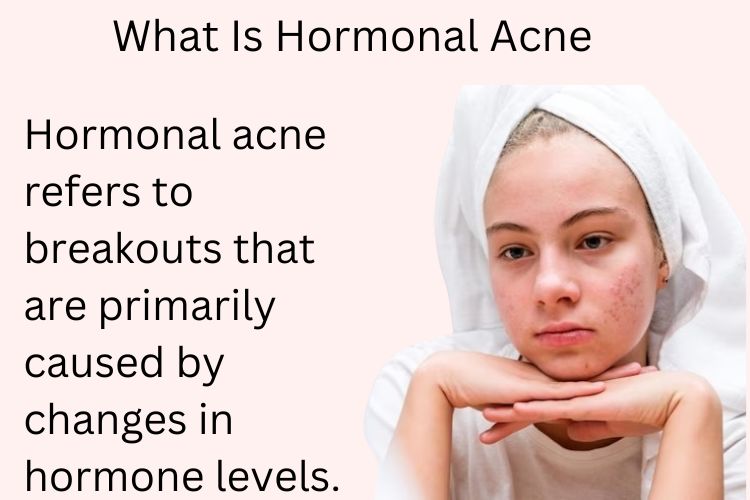
Hormonal acne refers to breakouts that are primarily caused by changes in hormone levels. It’s particularly common during puberty, menstruation, pregnancy, and even during certain phases of adulthood. Unlike other types of acne, hormonal acne typically appears in the lower part of the face, such as the jawline and chin.
Symptoms
Comedones:These are non-inflammatory, appearing as blackheads or whiteheads.
3. Pustules: Similar to papules but filled with pus.
4. Nodules: Large, solid, painful lumps beneath the surface of the skin.
5. Cysts: Deep, painful, pus-filled lumps beneath the skin’s surface, indicative of severe acne.
Forms of Acne
Mild Acne: Characterized by a few scattered comedones and few inflammatory lesions.
2. Moderate Acne: More widespread blackheads, whiteheads, and inflammation.
3. Severe Acne: Extensive nodules and cysts, leading to scarring and significant inflammation.
What Causes Hormonal Acne?
Hormonal fluctuations increase oil production in the skin, leading to clogged pores and acne. These fluctuations can be natural, like those that occur during puberty or menstruation, or caused by endocrine disorders. Stress and certain medications can also influence hormone levels and, consequently, acne.
Misconceptions of Acne Causes
Common misconceptions about hormonal acne include:
Dirty skin causes acne: Washing the skin often helps minimize oil buildup, but hormonal acne still occurs with clean skin.
2. Chocolate and greasy foods cause acne: There is not much evidence that chocolate or greasy foods cause acne. However, eating excessive amounts of foods high in sugar and dairy can worsen acne.
How to Get Rid of Hormonal Acne
General Skin Care Tips
Avoid irritating your skin: Use gentle, non-abrasive cleansers.
2. Avoid infection: Don’t pick or squeeze pimples.
3. Perform regular, gentle skin care: Cleanse and moisturize with products suitable for acne-prone skin.
4. Sleep and nutrition: Maintain a healthy lifestyle to support skin health.
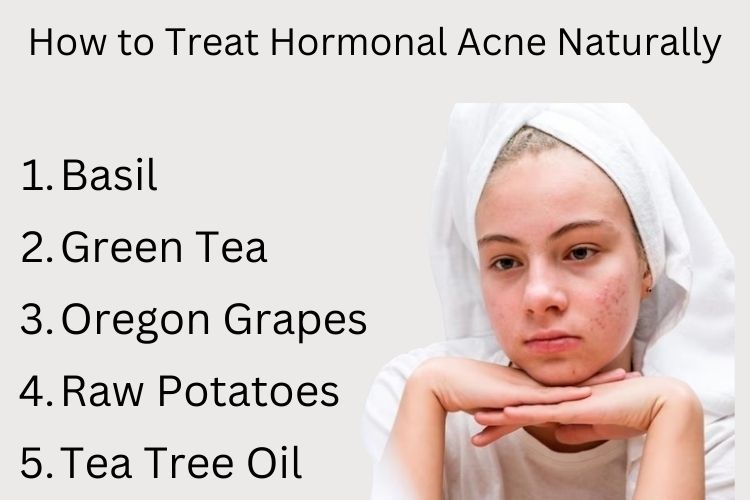
How to Treat Hormonal Acne Naturally
Natural remedies can complement traditional treatments:
Basil: Known for its anti-inflammatory properties.
2. Green Tea: Contains antioxidants that can reduce inflammation and sebum production.
3. Oregon Grapes: Help combat bacteria and reduce inflammation.
4. Raw Potatoes: Their anti-inflammatory properties can soothe acne.
5. Tea Tree Oil: A natural antibacterial and anti-inflammatory agent.
Conclusion
Hormonal acne is a complex condition that requires a multifaceted approach to treatment. Understanding the types of breakouts and their causes can guide effective management strategies.
Incorporating both general skincare practices and natural remedies, alongside professional treatments recommended by experts like those at “Sutvakclinic“, can lead to significant improvements. Remember, patience and consistency are key to seeing results.
Foods with a high glycemic index may exacerbate acne for some people. It’s beneficial to eat a balanced diet rich in vegetables, fruits, and lean proteins.